Lately, with the surge in retro gaming and nostalgia-fueled communities, Diablo 2 has made a remarkable comeback, captivating both new players and seasoned veterans.
Balancing intense gaming sessions with everyday responsibilities can feel like an uphill battle, especially when the thrill of the game pulls you in deep.
If you’ve ever wondered how to enjoy Diablo 2 without sacrificing your real-life commitments, you’re in the right place. In this post, I’ll share practical strategies that helped me keep my playtime enjoyable and manageable.
Whether you’re grinding for loot or just diving into the story, these tips will help you master the art of balancing gaming and life like a true pro. Stick around to level up your gameplay and lifestyle simultaneously!
Crafting a Practical Diablo 2 Play Schedule That Works
Understanding Your Peak Gaming Hours
Everyone’s day has that sweet spot when focus and energy hit their peak. For me, it’s usually late evening after dinner when the world quiets down. Identifying these hours helps me dive into Diablo 2 without feeling distracted or rushed.
You don’t need to carve out huge chunks of time—just those moments when you’re naturally alert and ready to engage. This approach transforms short play sessions into meaningful progress, whether you’re farming bosses or exploring new zones.
The key is respecting your body’s rhythm rather than forcing long sessions that end in burnout.
Setting Realistic Session Goals
It’s tempting to aim for marathon runs, but setting achievable goals per session keeps the experience fun and stress-free. For instance, deciding to complete one quest or farm a specific item before logging off creates a sense of accomplishment.
I used to get caught in endless grinding loops, only to realize hours had slipped away with little to show for it. Now, I jot down small targets before each playtime—whether it’s leveling up a skill or clearing a dungeon floor.
These mini-goals keep me motivated and prevent gaming from overtaking my schedule.
Using Alarms and Timers as Friendly Reminders
I know alarms can feel like buzzkills, but they’re lifesavers when balancing gaming with real life. Setting a timer for 45 minutes or an hour lets me immerse myself fully, then gently reminds me to pause and check in on other responsibilities.
Over time, this builds a healthy routine where gaming feels like a rewarding break rather than a time sink. Plus, it helps avoid that groggy “just one more run” trap that we all know too well.
Pairing alarms with a quick stretch or hydration break also refreshes both mind and body.
Maximizing Efficiency In-Game Without Wasting Time
Prioritizing High-Value Activities
Not all Diablo 2 tasks are created equal when it comes to time investment and reward. Focusing on activities with the best loot or experience returns makes each session count.
For example, targeting bosses like Mephisto or Baal during your available playtime yields better rewards faster than random farming. From my experience, mapping out which runs offer the best drop rates saves hours of aimless wandering.
This way, you feel the thrill of progression without the frustration of wasted effort.
Leveraging Multiplayer for Faster Progress
Jumping into multiplayer games can be a game-changer for efficiency. Teaming up with friends or joining public games speeds up clearing areas and increases item drops.
I’ve noticed that sharing the grind not only makes it faster but also more enjoyable. The social aspect helps keep motivation high and reduces the feeling of playing in isolation.
Even if you’re short on time, a quick multiplayer session can yield better results than solo play.
Utilizing In-Game Tools and Add-ons Wisely
While Diablo 2 classic limits add-ons, tools like inventory managers or skill calculators outside the game help plan your character build and loot management.
Planning ahead reduces the time spent fumbling through gear or skill trees mid-game. Personally, having a clear build guide saved me countless hours of trial and error, letting me jump straight into meaningful gameplay.
Just make sure any tool you use complies with game policies to avoid issues.
Balancing Social Life and Diablo 2 Sessions
Communicating Your Gaming Schedule
Sharing your gaming plans with family or roommates helps set expectations and avoids misunderstandings. When people know you’ve set aside specific times for Diablo 2, they’re less likely to interrupt or get frustrated.
I’ve found that a simple heads-up like, “I’ll be gaming from 8 to 9 tonight,” goes a long way in maintaining harmony. It also helps you mentally switch gears between gaming and social time without guilt.
Incorporating Gaming into Social Activities
Sometimes, you can merge social life and gaming by inviting friends to join your Diablo 2 sessions. This turns playtime into a shared experience rather than a solitary escape.
I’ve had some of my best gaming memories battling bosses with friends online, which deepens bonds and keeps things lively. Plus, it’s easier to stick to playtime limits when you’re having fun together rather than zoning out solo.
Recognizing When to Pause for Real-Life Priorities
It’s easy to get hooked, but knowing when to step away is crucial. Whether it’s a work deadline or a social commitment, respecting these moments prevents regret later.
I remind myself that Diablo 2 will always be there, but life’s fleeting events deserve attention too. Balancing these priorities keeps gaming enjoyable and prevents burnout or resentment.
Creating a Comfortable and Distraction-Free Gaming Environment
Optimizing Your Gaming Setup
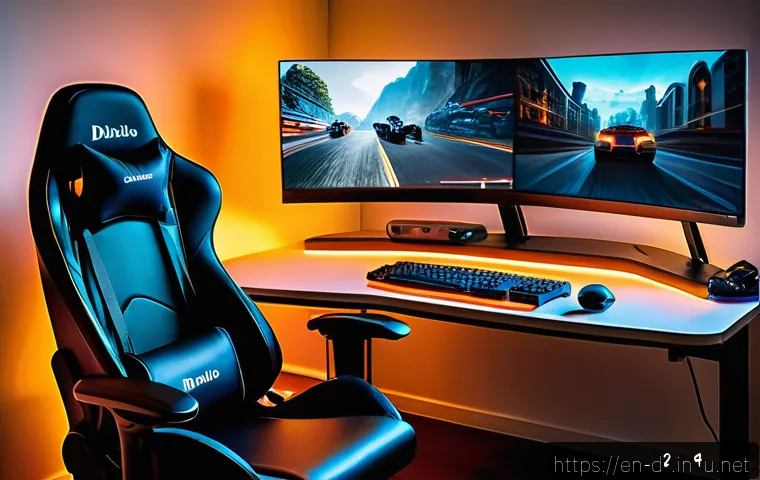
A clutter-free, ergonomic gaming space dramatically improves focus and enjoyment. I spent some time rearranging my desk and investing in a comfortable chair, and it made a noticeable difference.
Good lighting reduces eye strain, and organizing gear nearby minimizes breaks to hunt for essentials. A well-thought-out setup encourages longer, more productive sessions without feeling fatigued.
Minimizing Interruptions and Distractions
Turning off non-essential notifications or using “Do Not Disturb” modes helps maintain immersion. I also keep my phone in another room during intense runs to resist the temptation of constant checking.
If you’re like me and sometimes get distracted by ambient noise, a pair of noise-cancelling headphones can be a game-changer. These small adjustments create a bubble where you can truly lose yourself in the game without outside interruptions.
Setting Boundaries with Household Members
If you live with others, setting clear boundaries about your gaming time is essential. I’ve had conversations where I explain that my Diablo 2 time is my way to unwind, and having that respect from others makes a world of difference.
It’s about mutual understanding so that gaming isn’t seen as selfish but as a healthy hobby.

Tracking Progress to Stay Motivated and Balanced
Using Journals or Apps for Session Logs
Logging what you accomplish each session, even briefly, boosts motivation. I keep a simple note of bosses defeated, items found, or skills upgraded. This practice helps me see tangible progress, which is especially important when playtime is limited.
There are also apps designed for gamers to track stats and schedules, offering reminders and analytics to improve balance.
Reviewing and Adjusting Your Gaming Habits
Every few weeks, I take a moment to reflect on how well my gaming schedule fits with my life. If I notice stress or missed responsibilities creeping in, I tweak my approach—maybe shortening sessions or moving playtime to a different part of the day.
This flexibility ensures gaming remains a positive force rather than a source of conflict.
Rewarding Yourself Beyond the Game
It might sound simple, but rewarding yourself for sticking to your schedule helps build good habits. Whether it’s a favorite snack after a successful run or a small purchase related to your gaming setup, these incentives keep motivation high.
I’ve found this technique especially effective in making balanced playtime a sustainable routine.
Understanding When to Take Breaks for Mental and Physical Health
Recognizing Signs of Gaming Fatigue
There have been times when I pushed too hard and ended up feeling drained or frustrated. Recognizing when you’re no longer enjoying the game or making progress is crucial.
Symptoms like irritability, eye strain, or loss of focus are signals to pause. Taking breaks prevents burnout and keeps Diablo 2 fun rather than a chore.
Incorporating Physical Activity During Breaks
Stepping away from the screen to stretch, walk, or do light exercises refreshes both body and mind. I like to do a few stretches or a quick walk around the block after every hour of gaming.
This habit improves circulation and reduces stiffness, making it easier to return to the game with renewed energy.
Practicing Mindfulness to Enhance Focus
Mindfulness techniques such as deep breathing or short meditation sessions can improve concentration during play and reduce stress. I sometimes spend five minutes focusing on my breath before starting a session, which surprisingly boosts my in-game performance.
These small mental resets help maintain a healthy balance between gaming intensity and relaxation.
Effective Time Management Tools for Gamers
Digital Calendars and Reminders
Using digital calendars to block out gaming time alongside work and social events creates a clear visual schedule. I personally use Google Calendar to set recurring gaming slots, which helps me avoid overcommitting.
Adding reminders a few minutes before each session prepares my mind to transition smoothly into gaming mode.
Pomodoro Technique Adapted for Gaming
Applying the Pomodoro technique—25 minutes of focused work followed by a 5-minute break—can be adapted for gaming to maintain balance. For example, playing intensely for 45 minutes then taking a 10-minute break keeps fatigue at bay.
I’ve found this method keeps my sessions productive and prevents that glazed-over feeling after long hours.
Gamifying Your Time Management
Turning time management into a game itself adds fun to balancing responsibilities. I set challenges like “No distractions for 30 minutes” or “Complete this quest within an hour” and reward myself accordingly.
This playful approach makes it easier to stick to limits and keeps the experience engaging beyond the game world.
| Time Management Strategy | Benefits | Personal Tips |
|---|---|---|
| Identifying Peak Hours | Improves focus and makes short sessions productive | Play after dinner when energy is highest |
| Setting Session Goals | Prevents burnout and enhances achievement | List mini-goals before gaming |
| Using Timers | Helps maintain healthy gaming limits | Set alarms for 45–60 minute sessions |
| Prioritizing High-Value Runs | Maximizes loot and experience gain | Focus on boss runs like Mephisto or Baal |
| Multiplayer Gaming | Speeds progress and increases social interaction | Join friends or public games for efficiency |
| Optimizing Setup | Reduces physical strain and distractions | Invest in ergonomic chair and good lighting |
| Tracking Progress | Boosts motivation and habit formation | Keep session logs and review regularly |
| Taking Breaks | Prevents fatigue and improves mental clarity | Stretch or walk after each hour of play |
In Closing
Creating a balanced Diablo 2 play schedule is all about respecting your natural rhythms and setting achievable goals. By focusing on efficient gameplay and maintaining healthy habits, you can enjoy the game without stress or burnout. Remember, gaming should enhance your life, not disrupt it. With these strategies, your sessions will be both productive and enjoyable every time you log in.
Useful Tips to Keep in Mind
1. Identify your peak gaming hours to maximize focus and make every session count.
2. Set clear, realistic goals before playing to stay motivated and avoid endless grinding.
3. Use timers or alarms to help balance gaming with other daily responsibilities.
4. Team up in multiplayer games to speed up progress and add a social element.
5. Take regular breaks with physical activity to maintain mental clarity and prevent fatigue.
Key Takeaways
Establishing a practical gaming routine involves understanding your own energy patterns, setting achievable objectives, and using tools like timers to maintain balance. Prioritizing high-value in-game tasks and incorporating social play can make your sessions more rewarding. Creating a comfortable environment and tracking progress are essential to staying motivated. Finally, recognizing when to take breaks safeguards your mental and physical health, ensuring that gaming remains a positive part of your lifestyle.
Frequently Asked Questions (FAQ) 📖
Q: How can I enjoy Diablo 2 without letting it interfere with my daily responsibilities?
A: The key is setting clear boundaries for your gaming sessions. I found that scheduling specific times to play, like after work or on weekends, helps me stay on track.
Using alarms or reminders can prevent those marathon sessions that eat into important tasks. Also, focusing on shorter, goal-oriented play sessions—like completing a quest or farming for a set time—makes gaming feel rewarding without overwhelming your schedule.
Q: What are some effective ways to stay motivated in Diablo 2 without losing balance in life?
A: For me, mixing up gameplay with real-life breaks keeps things fresh. I take advantage of Diablo 2’s natural checkpoints to pause and step away. Setting small, achievable in-game goals gives me a sense of progress, which fuels motivation without demanding hours on end.
Plus, joining a community or playing with friends adds social fun that doesn’t feel like a chore, so gaming stays exciting but balanced.
Q: How do I avoid burnout from intense Diablo 2 sessions while still progressing?
A: Burnout hit me hard once when I tried grinding nonstop. What helped was pacing myself and recognizing when to stop. I started alternating Diablo 2 with other hobbies or lighter games, which refreshed my enthusiasm.
Also, listening to my body and mind—if I feel tired or frustrated, I take a break or switch activities. This way, I keep my gameplay enjoyable and sustainable over time.